
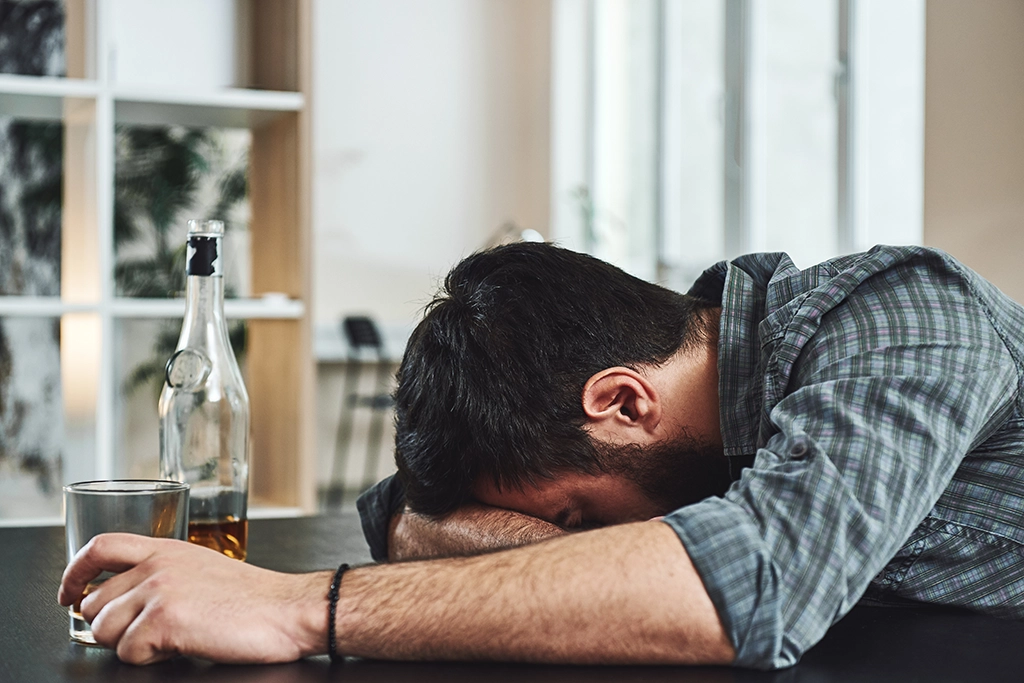
David thought he could quit at home. He’d been drinking heavily for eight years, mostly wine, about two bottles nightly, but he was functional, held a job, and raised his kids. When he decided to stop, he planned a quiet weekend to “sweat it out.”
By day two, he was hallucinating. His wife found him confused and shaking and called an ambulance. David was lucky. Alcohol withdrawal can kill.
Why Alcohol Withdrawal Happens
Your brain adapts to regular alcohol exposure. It compensates for alcohol’s sedating effects by becoming hyperactive. Remove the alcohol suddenly and that hyperactivity runs unchecked. The result is a cascade of neurological symptoms that range from uncomfortable to life-threatening.
This isn’t about willpower or character. It’s neurochemistry. And it requires medical management.
The Withdrawal Timeline
6-12 hours after the last drink: Early symptoms begin. Anxiety, insomnia, nausea, loss of appetite, mild tremor. Many people describe feeling like they have the flu. Blood pressure and heart rate increase.
12-24 hours: Symptoms intensify. Hand tremors become obvious. Sweating increases. Some people experience visual, auditory or tactile hallucinations, seeing things that aren’t there, hearing voices and feeling bugs crawling on their skin. These can be terrifying but aren’t necessarily dangerous by themselves.
24-48 hours: peak risk period. Seizures can occur, typically in the first 24-48 hours. These are grand mal seizures, full-body convulsions that can cause injury or status epilepticus (prolonged seizure), which is a medical emergency.
48-72 hours: Delirium tremens (DTs) may develop in severe cases. This is the most dangerous phase. Symptoms include severe confusion, disorientation, fever, high blood pressure, rapid heartbeat and intense agitation. Without treatment, mortality rates reach 15-20%.
Days 3-7: Physical symptoms gradually improve for most, though psychological symptoms, anxiety, depression, and sleep disturbance often persist.

Symptoms Requiring Immediate Medical Attention
- Seizures of any kind
- Severe confusion or hallucinations
- Chest pain or irregular heartbeat
- Difficulty breathing
- Extreme agitation or violent behavior
- High fever
If you or someone you’re with experiences these during withdrawal, call emergency services immediately.
Who’s at Risk for Severe Withdrawal?
Not everyone who stops drinking needs hospitalisation, but certain factors increase risk:
- Drinking heavily daily for months or years
- Previous withdrawal seizures or DTs
- Concurrent medical conditions (liver disease, heart problems)
- Advanced age
- Using other substances, particularly benzodiazepines
Medical Detox: The Safe Approach
Professional alcohol detox provides monitoring, medication and support through the withdrawal period. Benzodiazepines, typically Librium, Ativan or Valium, are the standard treatment. They work on the same brain receptors as alcohol, preventing seizures and reducing symptom severity.
Medical detox isn’t just about safety, though that’s the primary concern. It’s also about comfort and completion. People who detox in supportive medical environments are more likely to complete the process and transition to ongoing treatment.
At The Grange, our detox programme includes 24-hour medical monitoring, medication management, nutritional support and immediate transition to residential treatment. We don’t just get you through withdrawal, we prepare you for recovery.
After Detox: The Real Work Begins
Detox addresses physical dependence, not addiction. Without follow-up treatment, relapse rates exceed 90%. The brain needs time to heal, and the psychological patterns driving drinking need to be addressed.
We recommend comprehensive treatment, including therapy, peer support and often medication-assisted treatment to support long-term recovery.
Making the Decision
If you’re drinking heavily and want to stop, please don’t try to do it alone. A brief medical assessment can determine your risk level and the appropriate level of care. It might be outpatient monitoring or it might be inpatient detox. Either way, professional guidance keeps you safe.
Recovery starts with getting through withdrawal safely. We’re here to help you take that first step.
